

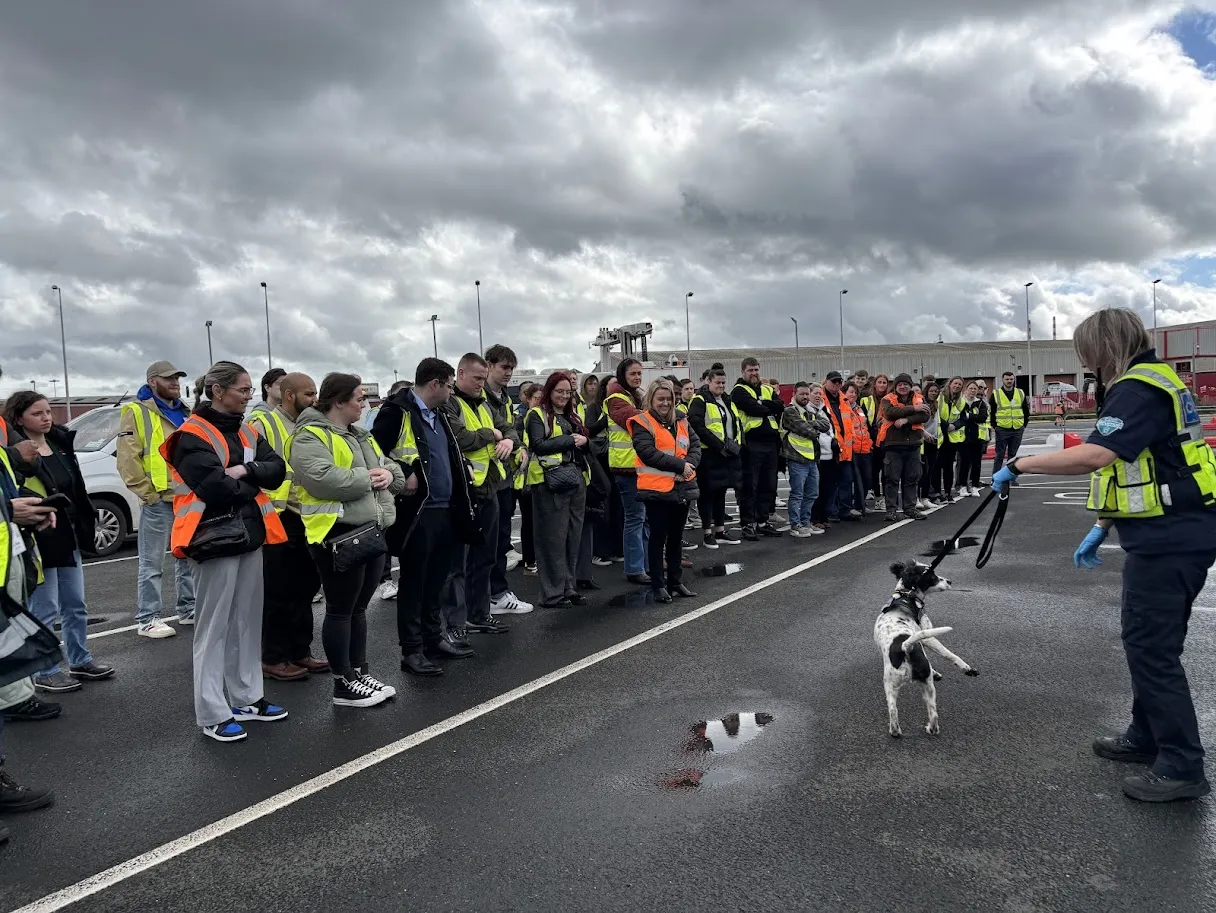
On April 15th, the fifth tour of the Border Control Post at Dublin Port took place. It was attended by over 70 delegates from member companies of Irish International Freight Association, with stops at Terminal 9, the IUPT, Yards 3 & 4, Terminal 10, and Terminal 11. The intention of the tours is to provide members with an insight into port operations, to understand the process of customs checks, and to hear first-hand about the issues that tend to cause the most delays in order to improve operations.
Following the morning’s tour, the group attended a series of presentations from representatives of Revenue Customs, the Department of Agriculture, Food and the Marine (DAFM) and the Health Service Executive (HSE).
For the initial portion of the tour, the delegates were split into two groups to visit Terminal 9 and the IUPT.
The tour delegates were given an overview of activities at Terminal 9 by members of DAFM’s Plant Health Team.
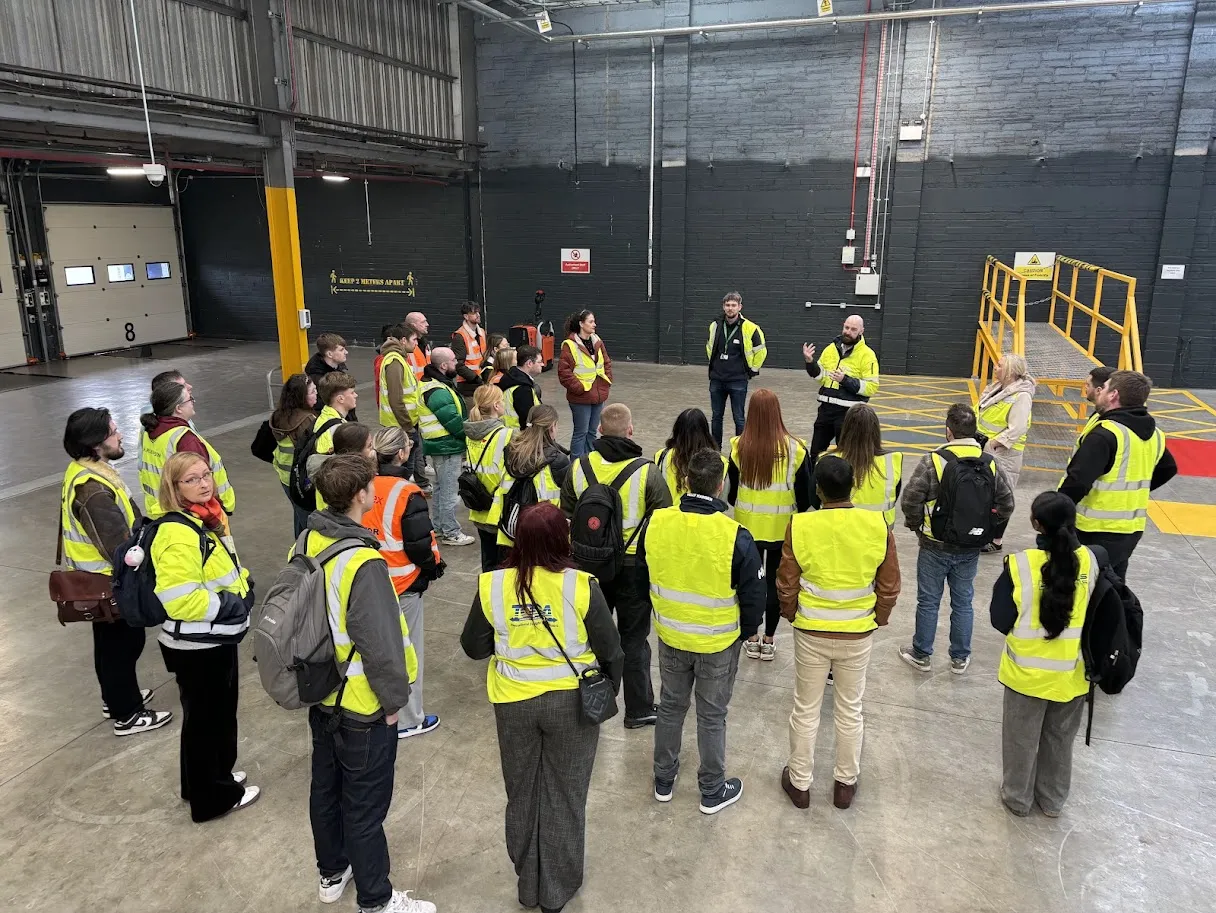
This part of the tour provided insights into the inspections of goods into the country that were plant-based, with a specific focus on pests and diseases that can cause issues to the wider environment if left unchecked. The storage facilities were demonstrated, and the treatment and containment procedures explained. The aim of checks at T9 are to protect plant health of domestic products and native species.
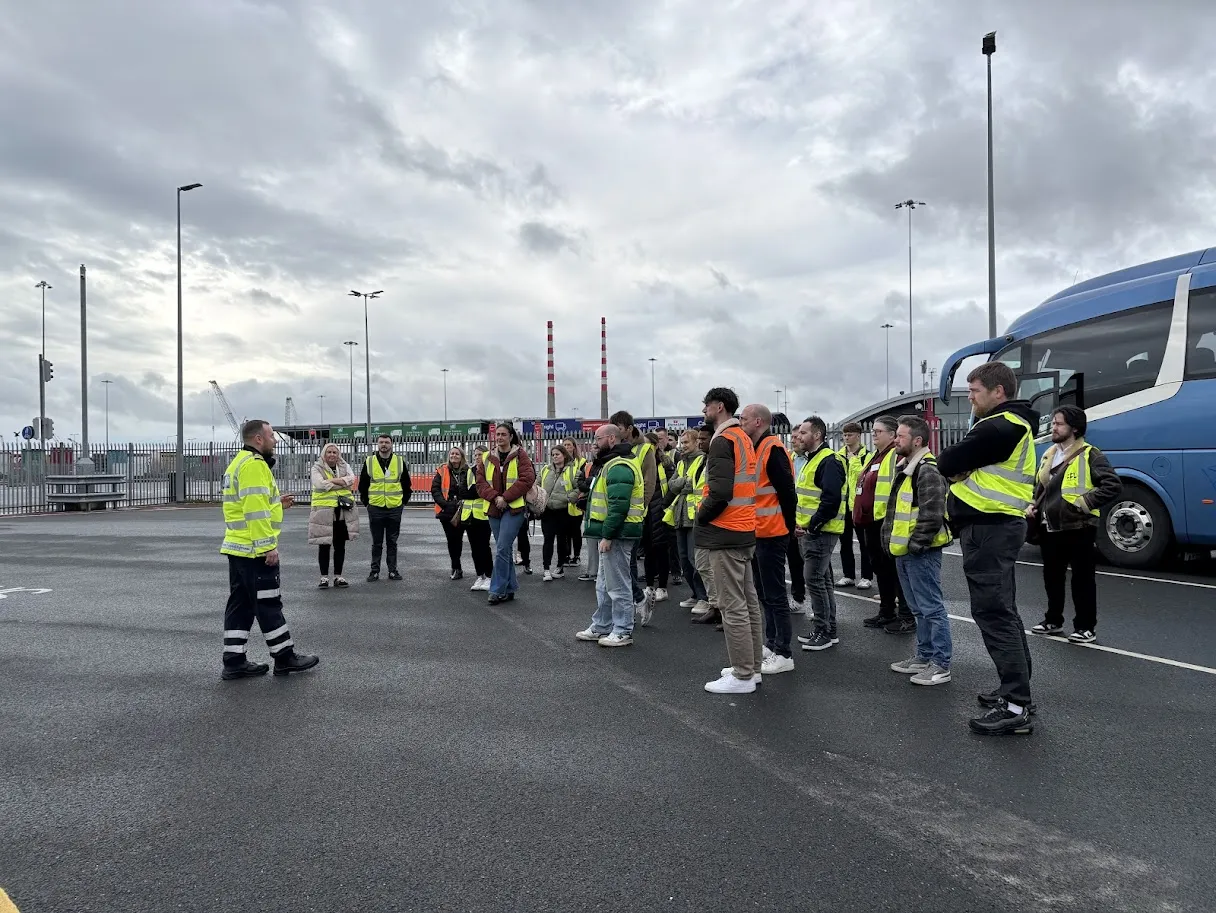
The IUPT is the first point of contact for vehicles and their passengers arriving from ferries. The tour was given an overview of how checks are made.
The tour groups reconvened at Yards 3 & 4, where they were given a demonstration of the work of Revenue’s detector dogs.
Revenue’s dogs are trained with different searches in mind, including cash, drugs and cigarettes. The demonstration of how the dogs work, and how they are cared for, is a rare opportunity for those in the industry.
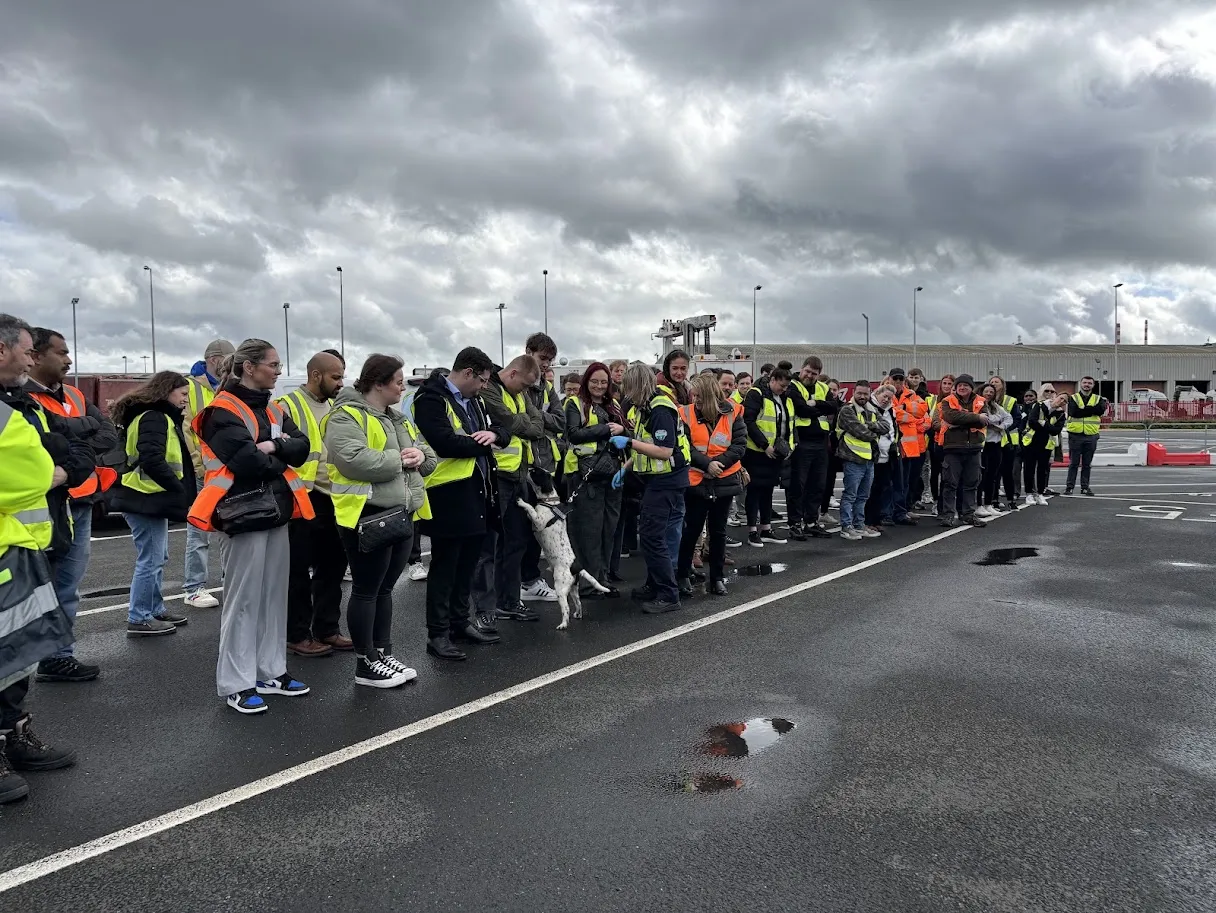
Also on location was the x-ray vehicle, though it was not demonstrated during this tour.
At Terminal 10, the group was given an overview of the workings of DAFM with regards to goods containing or made from animal products. This portion of the tour also gave participants a chance to see the examination labs and the freezer facilities, which can reach as low as -40 degrees if needed to terminate pests.
At its busiest points in the day, Terminal 11 is a hub of activity for customs checks. By the time the tour arrived at around noon, it was largely clear of vehicles. The tour group was given advice on how to keep trucks moving at this point, to reduce any delays as a result of customs checks.
To close off the tour, the buses visited the DSG Container Terminal. They were guided through the facility, and given an explanation as to how goods are moved around, and the equipment in use.
The afternoon portion of the day was spent in the Gibson Hotel, where speakers from Revenue Customs, the HSE and DAFM spoke to the room about their work.
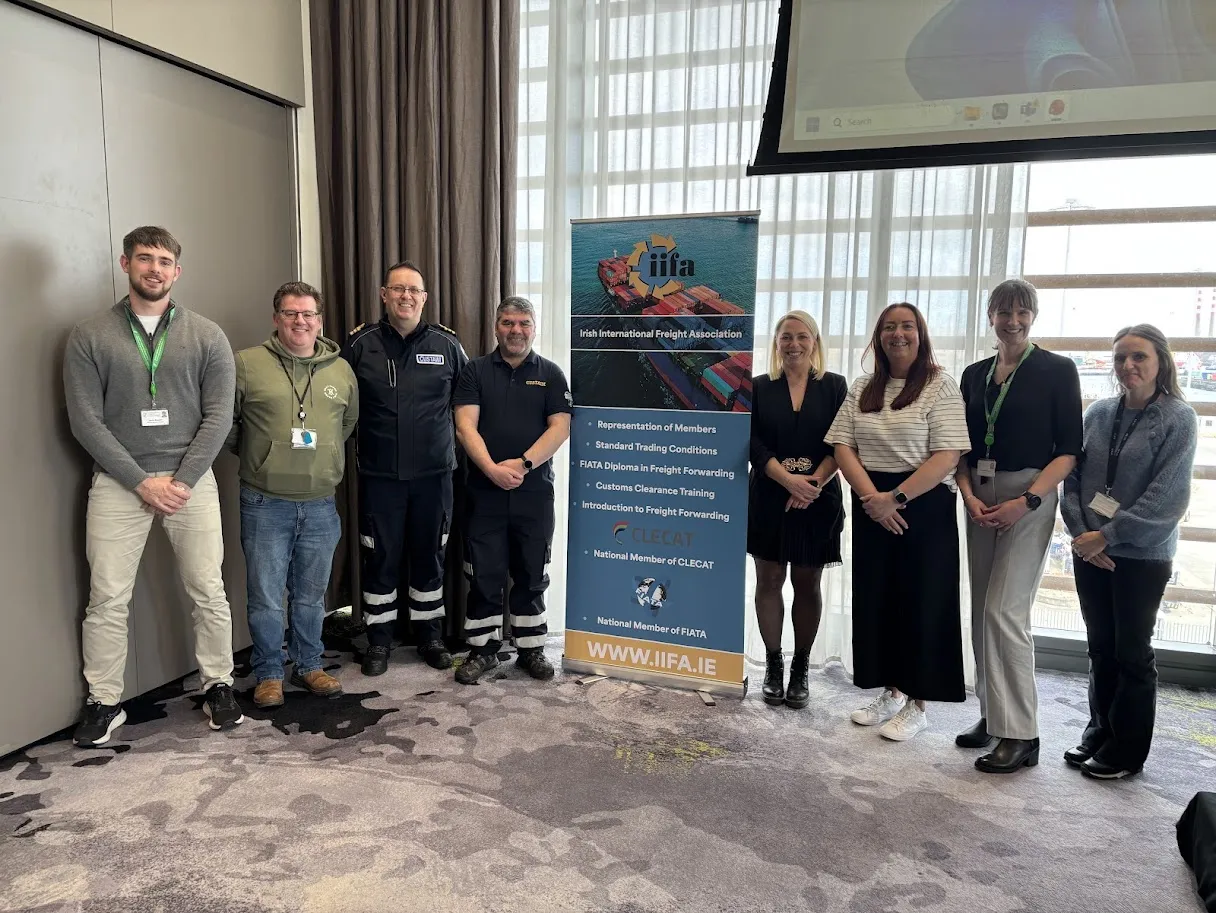
L-R: Jamie Maguire, speaking on Plant Health on behalf of the HSE; Christopher Murphy, HSE; Marc Creighton and David Mohan, speaking on Trade Facilitation on behalf of Revenue Customs; Jennifer Wall, Sandra Lynch, speaking on tackling risk in the Supply Chain on behalf of Revenue’s Intelligence Development Unit; Eimear McCarroll, speaking on Product of Animal Origin on behalf of Department of Agriculture; Michelle O’Shea speaking on National Environmental Health Service at Dublin Port Health, on half of the HSE
From Revenue Customs, David Mohan and Marc Creighton’s Dublin Port Frontier Management Branch addressed Trade Facilitation. Their presentation included:
Jennifer Wall from Revenue covered Tracking Risks in the Supply Chain in her presentation. Coming from the Investigation, Prosecution and Frontier Management Division, her role requires the collaboration with the wider freight community. Her talk addressed the risk indicators on movements, and a number of case studies that highlight the importance of flagging risky movements.
From DAFM, Eimear McCarroll and Stephanie Larkin addressed products of animal origin. There was a specific focus on requirements, updates, and common issues that cause delays.
Michelle O’Shea represented the HSE, who have offices at Dublin Port, Dublin Airport and Rosslare Europort. The focus of her talk was on:
To close the session, Jamie Maguire from DAFM’s Plant Health team spoke about the importance of plant health controls, and the need to control biodiversity and protect the environment. He spoke of regulated plants and plant products, as well as highlighting different types of pests, and a number of case studies of pests and diseases that affect native plant life when they enter the country undetected.
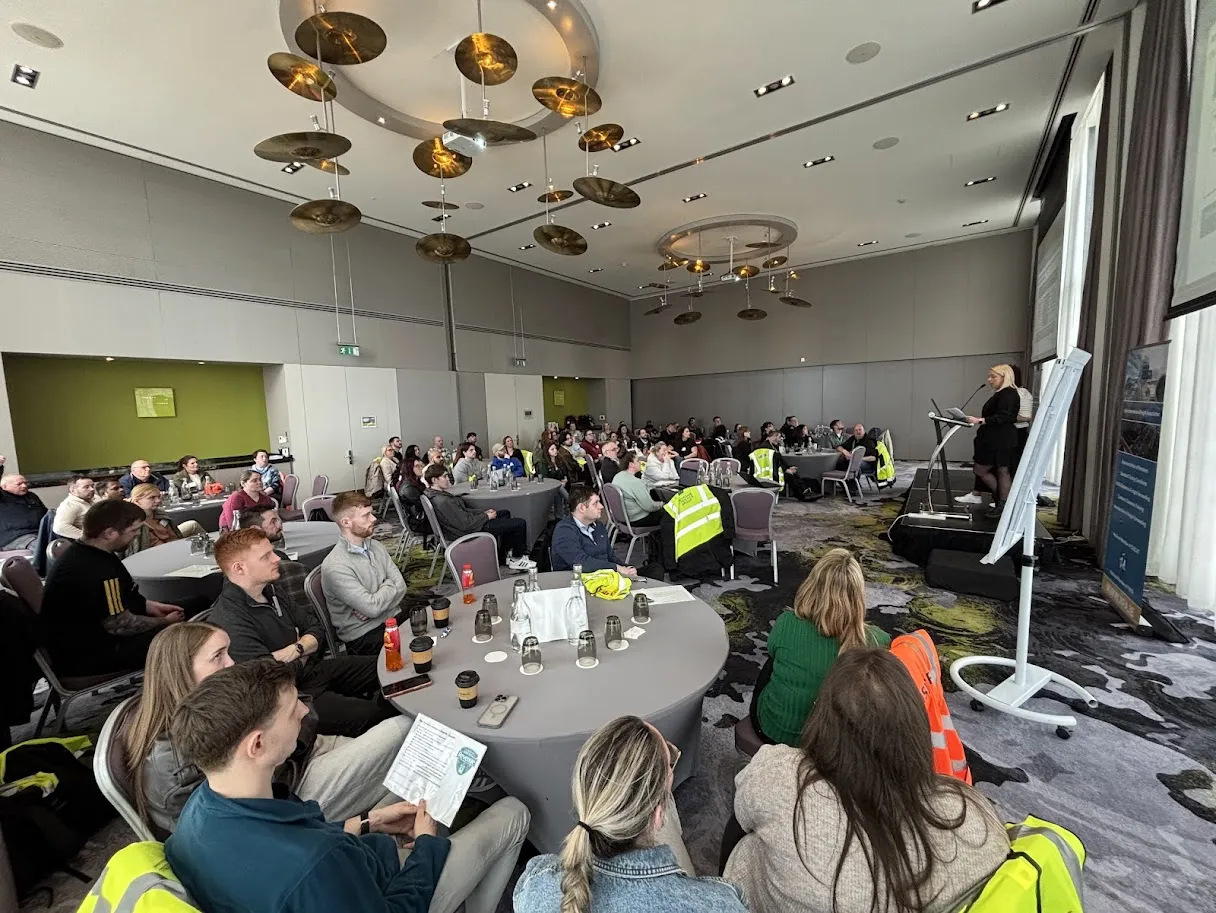
This was IIFA’s fifth such BCP Port Tour for Members. As always, the tour provided an opportunity to witness the inner workings of control operations at Dublin Port, as well as receive specific, relevant and up-to-date measures that impact members’ work on a daily basis. IIFA would like to express our sincere thanks to DAFM and Revenue Customs for their efforts with facilitating the arrangements for the tour and the demonstrations throughout the day.
IIFA will aim to offer another tour in 2027.
